The Language System of Vietnamese Modernism
Published on Saigoneer • Society • April 17, 2021
There is an unusual confusion between Vietnamese modernism and international modernism that doesn't include vernacular modernist structures in the historical discourses. We often compare architects' works when addressing the history of architectural currents, and vernacular architecture is sidelined in its own clans. This situation is ever changed with vernacular modernism.
Whenever Vietnamese modernist architecture is mentioned, most people recall popular works like the Independence Palace, Hoà Bình Theater, or apartment blocks and other public buildings designed by architects. Yet when we take Saigon as a typical site of Vietnamese modernism, the surprising fact is that the urban context of Saigon is, for the most part, made up of modernist shophouses and villas. And these dwelling structures are most often designed by the people as a kind of living craftsmanship.[1]
Like any language (a set of symbols and principles channeling thoughts and communications), the 'vernacularized' language of Vietnamese modernist architecture is also made up of certain fundamental blocks and principles, with its own 'alphabet' and 'grammar
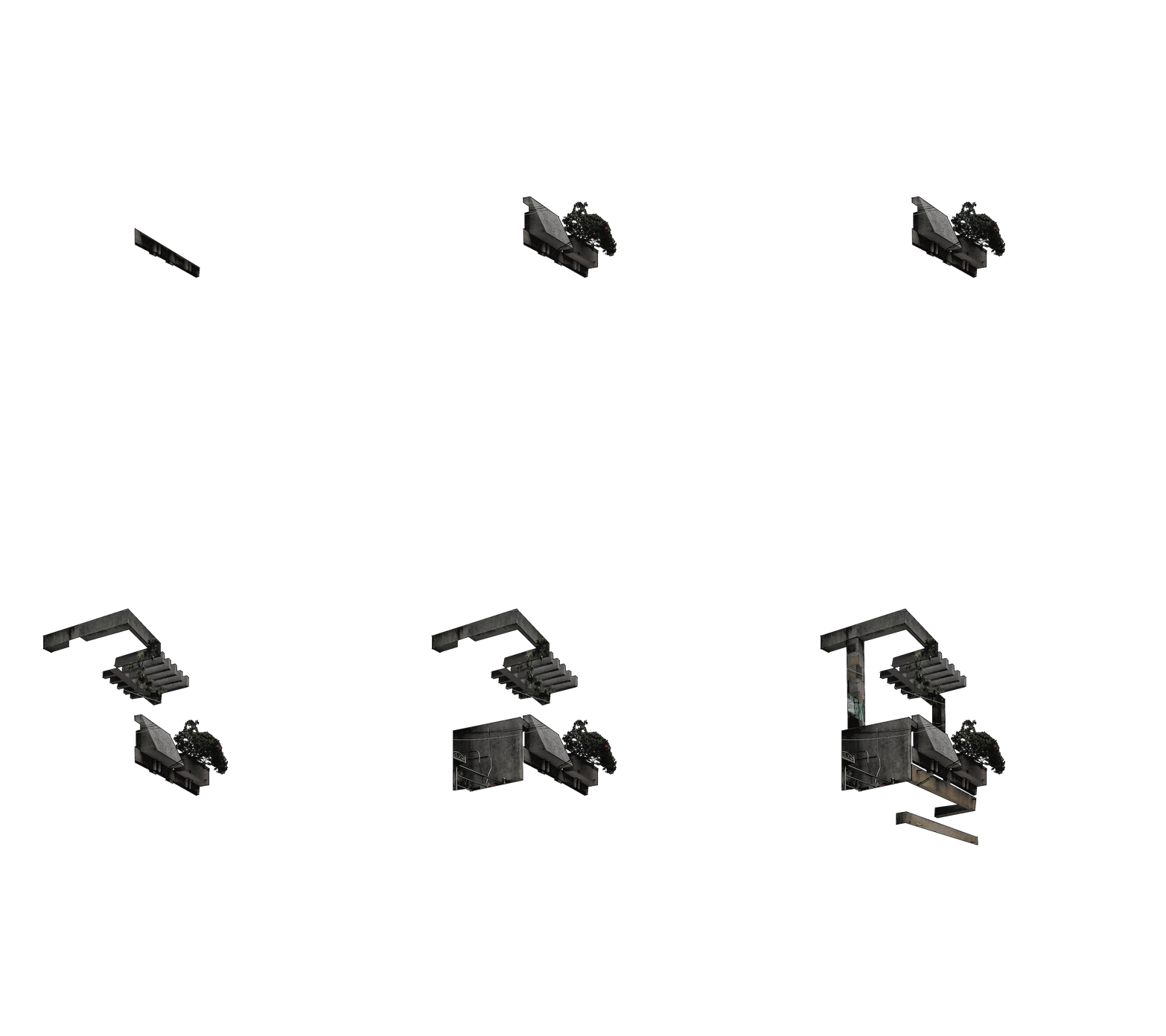
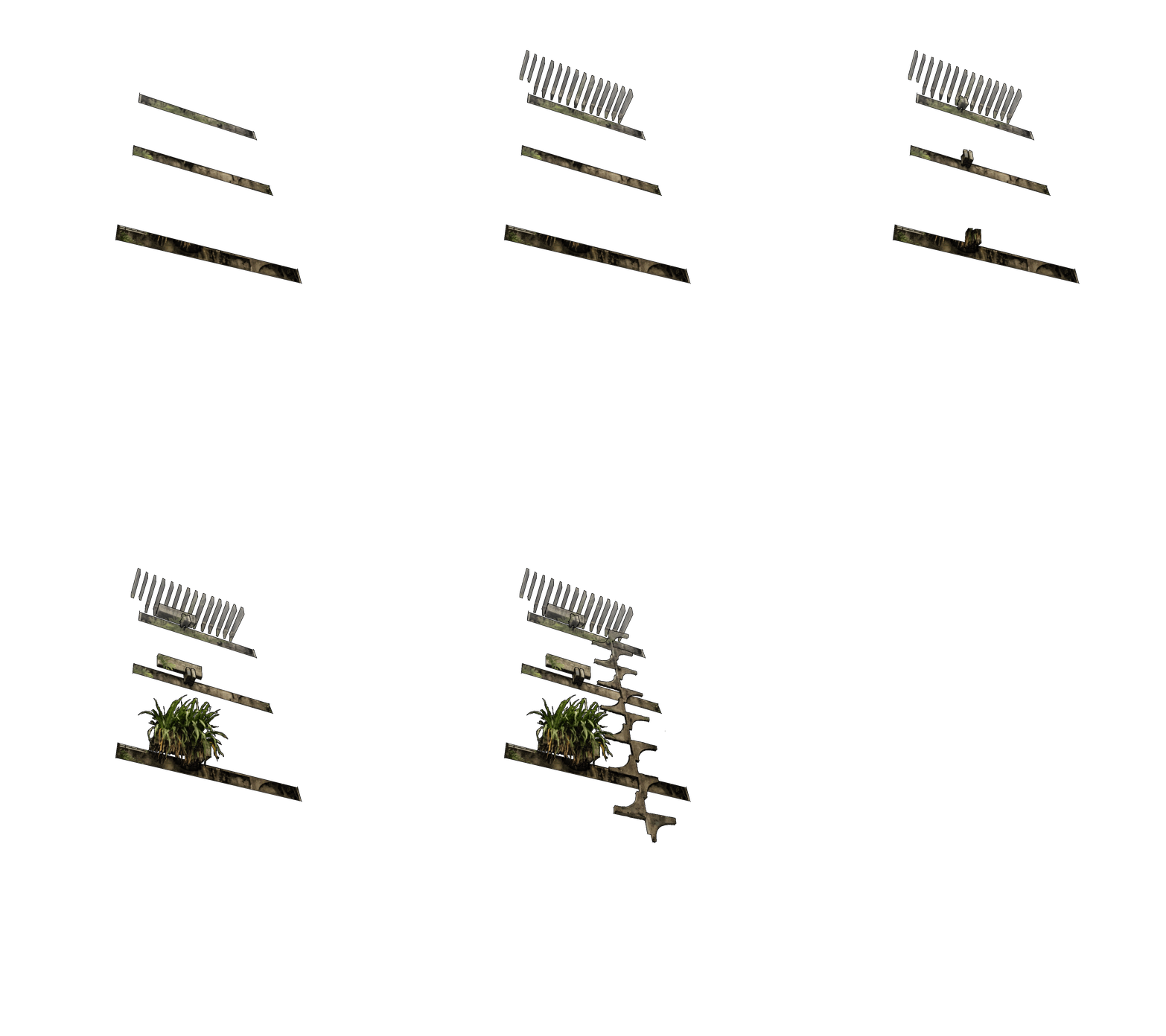
When riding the streets of Sài Gòn, one would encounter endless examples of louvers, planters, brise-soleils, patterns, and many more. These elements are repeatedly used. But their individual compositions vary enormously. Ordinary people have picked and tweaked the designs to their will, creating a common grammar and vocabulary.
As a result, the population was able to learn this language and recreate modernist designs to express their personal identities across urban shophouses, in many cases without prior architectural knowledge. The fact that this creative activity is a language, and language is a natural human capacity, is what explains how these grammars and vocabularies were organically spread out across the country, becoming a vernacular practice of construction. The modernist language from the institutional buildings was turned into a completely different creative enterprise, a parallel modernism practiced by the public.
This vernacular language has a different character from the modernist language found elsewhere. Modernist elements, rather than being technical devices, were becoming visual units, artistic strokes, aesthetic assets of a composition. Predominantly present in modernist shophouses are modernist anomalies, a kind of aesthetic touch that is reason-free. This is evident in the intuitive placement of elements such as planters, beams, and louvers over the facades. This is a phenomenon that occurs when modernist vocabulary is adopted by a culture as their new way of construction. The vocabulary then became a cultural asset and affected the way a culture decides its constructions.
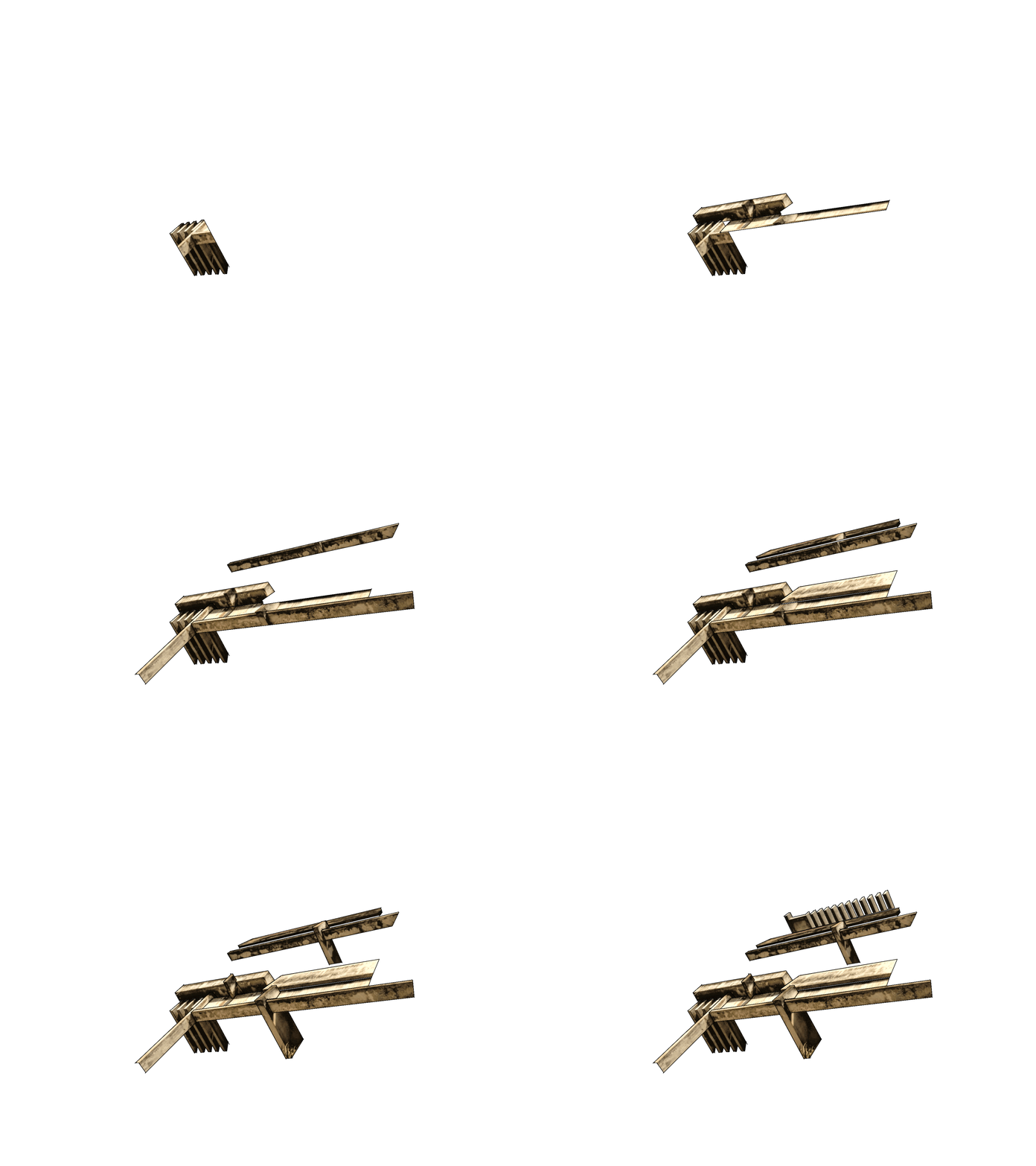
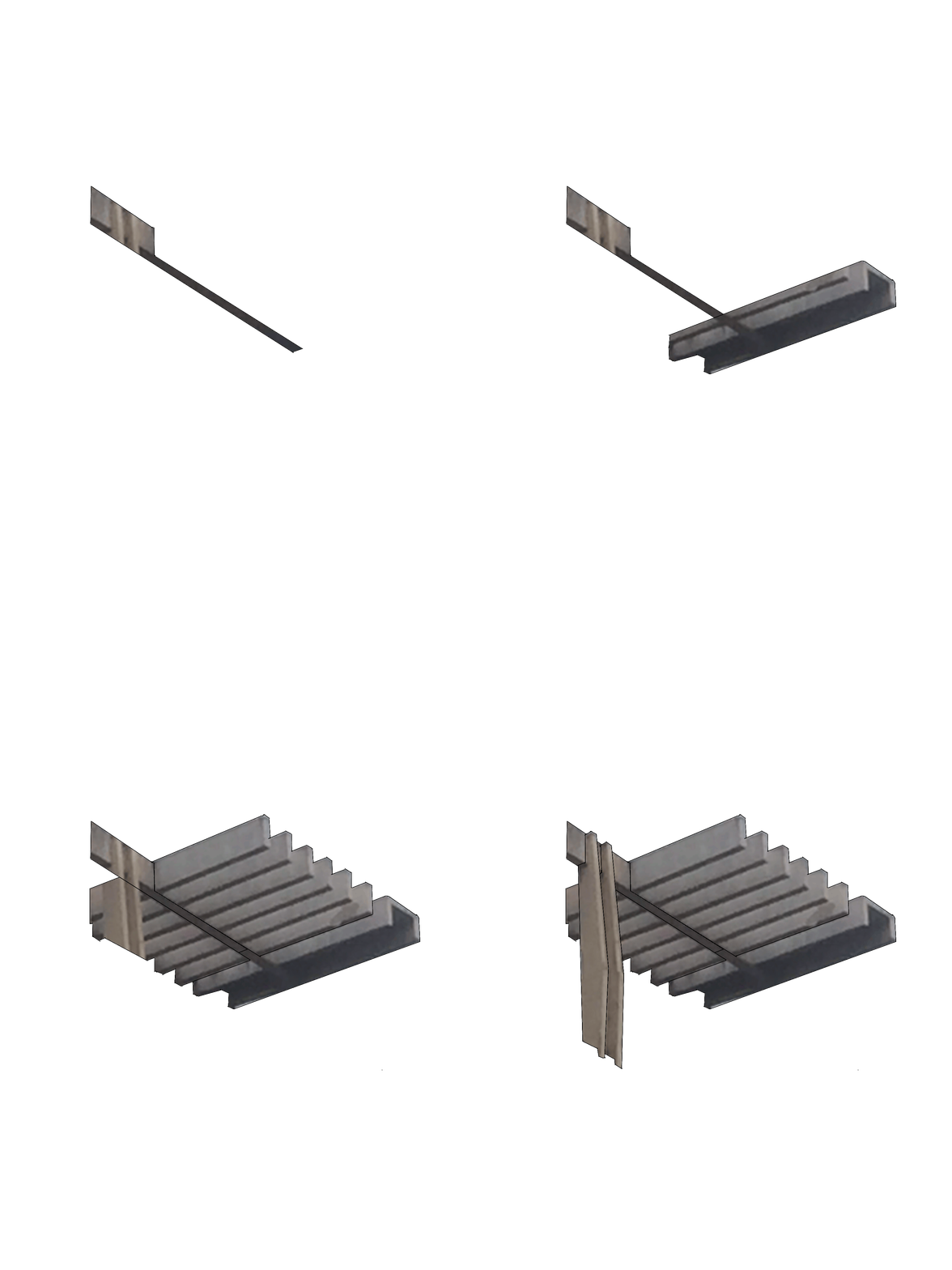
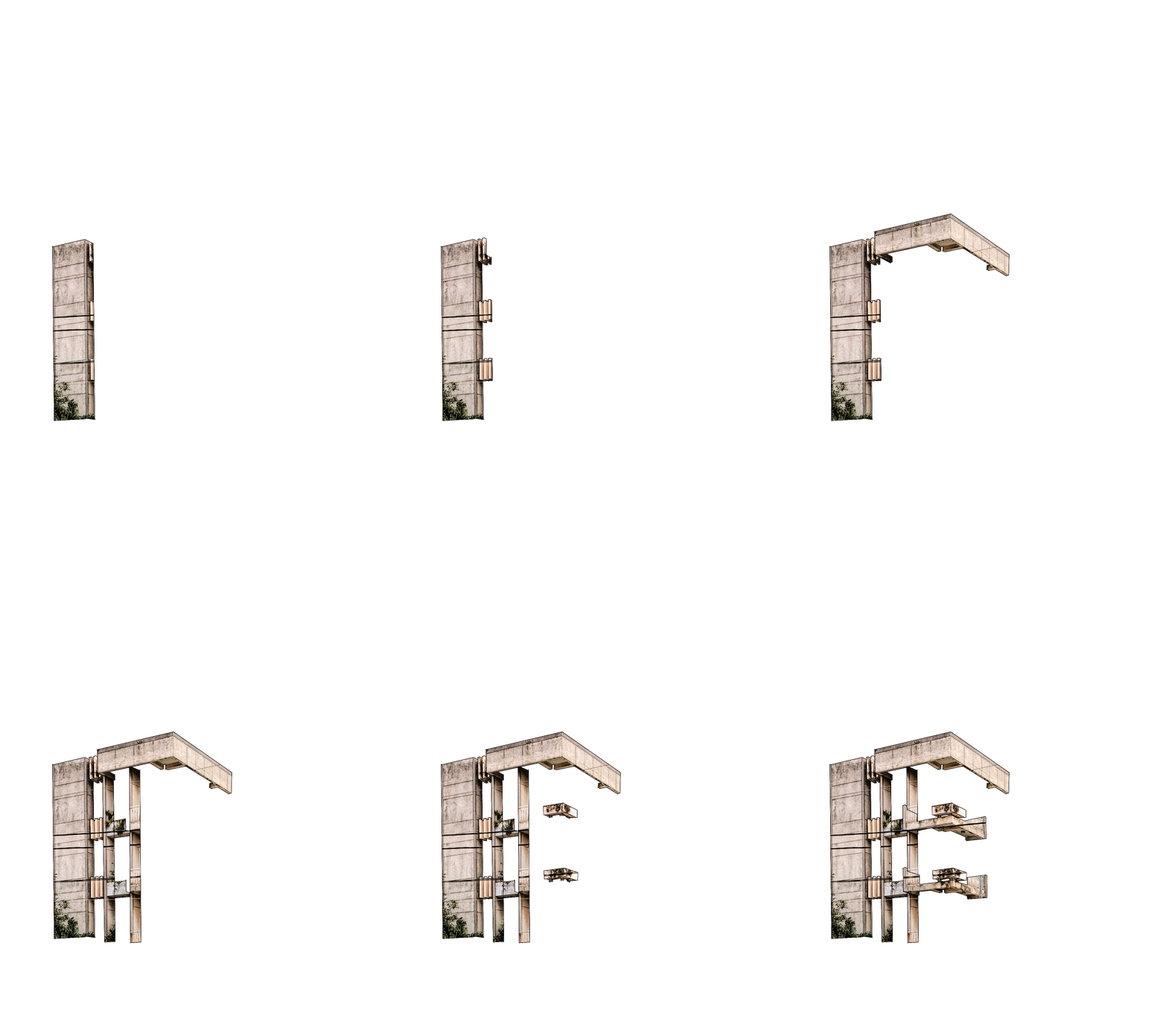
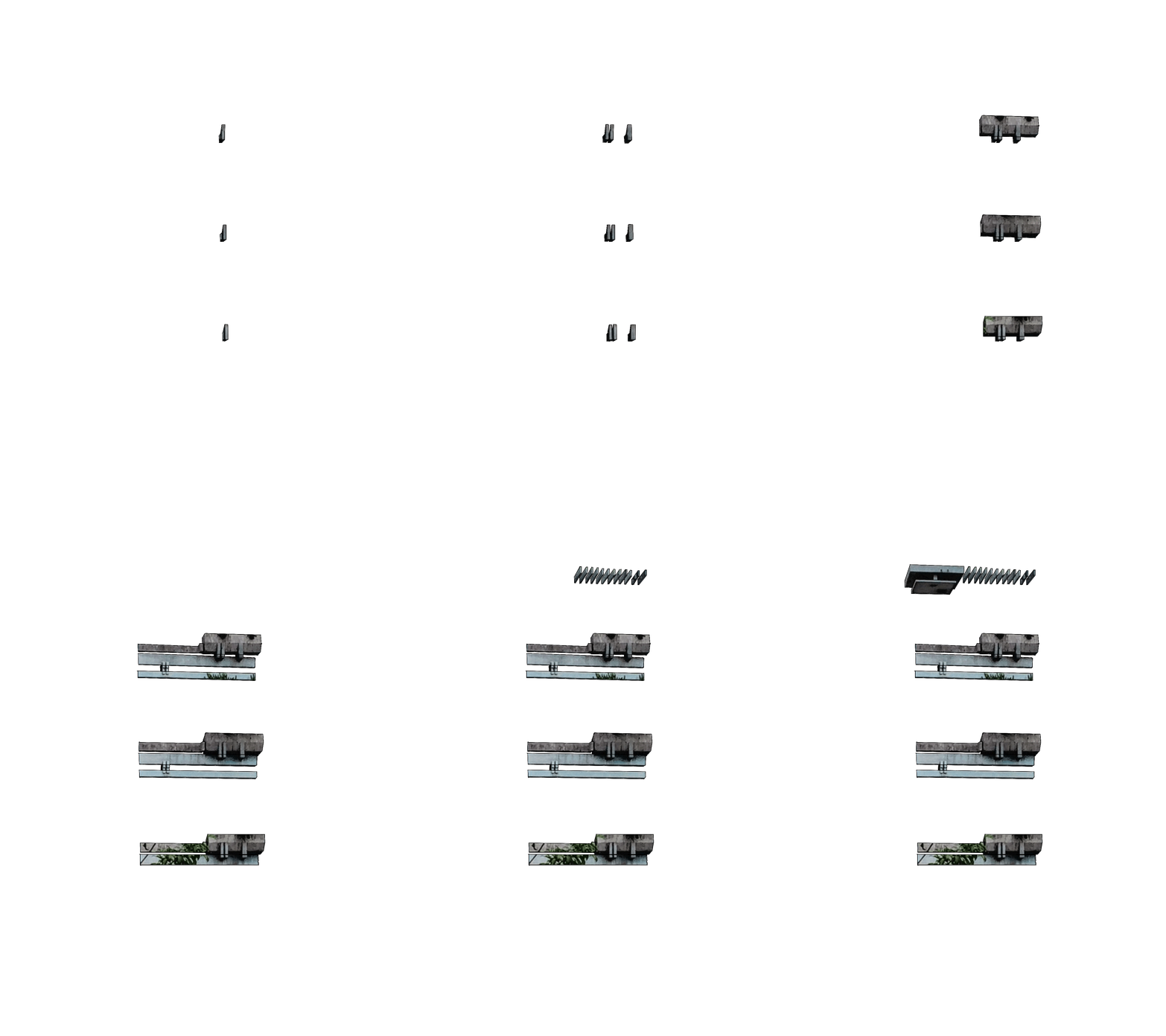
This process created a new breed of modernism. While modernist architects would solve pragmatic problems of the design process in a chain of reasons so that "forms would follow functions", modernist builders and clients seem to have focused more on aesthetic problems in the design process. But does this mean vernacular modernism isn't functional? The answer is quite the opposite. It's functional over a large scale wherever the culture exists because pragmatic solutions have already been filtered into the architectural language when being adopted. Natural ventilation and passive solar protection were automatically integrated into the design as habits from a collective wisdom. This explains the typical organization across houses, with balconies, louvers, brise-soleils, planters, vents and others forming a typology, or rather a protocol ready to be deployed. This design process leaves house-makers with a chain of instinctive reactions so that forms would follow aesthetic satisfactions. Somehow, this also filtered back to architects' works like the triple-dash anomaly in the building at 2 Trần Ngọc Diện, District 2.
The interesting thing about vernacular modernism is that there seems to be a subconscious forum where ideas are exchanged, travel, and evolve. The idea of the "double brackets", for instance, can travel across the city, even across the country. These fundamental blocks have grown into the complex and endless variations that we see in Vietnamese modernist architecture. In this sense, vernacular modernism became a kind of literature, thanks to its linguistic structures, turning the urbanscape of Vietnamese cities into a library of design utterances.
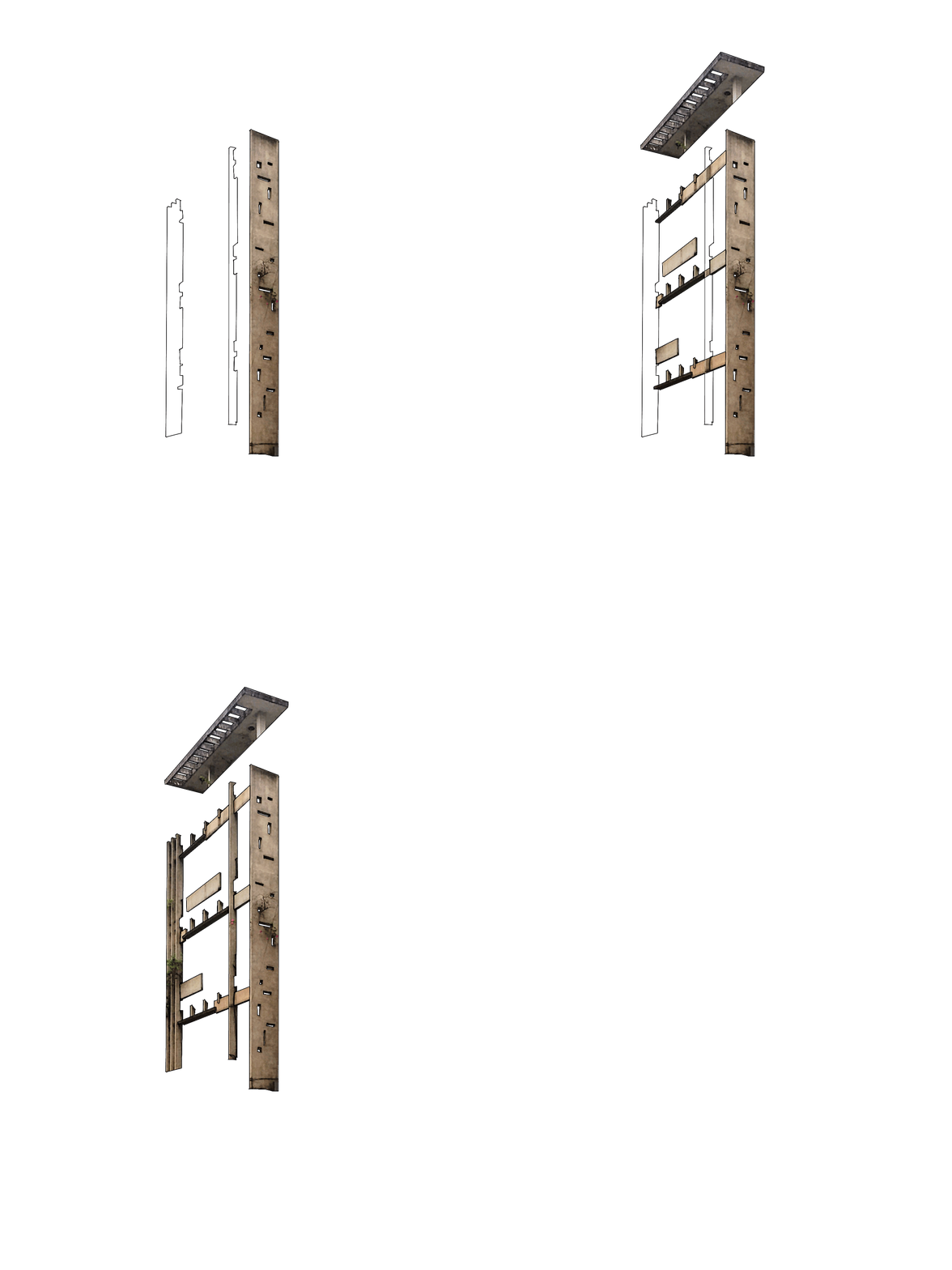
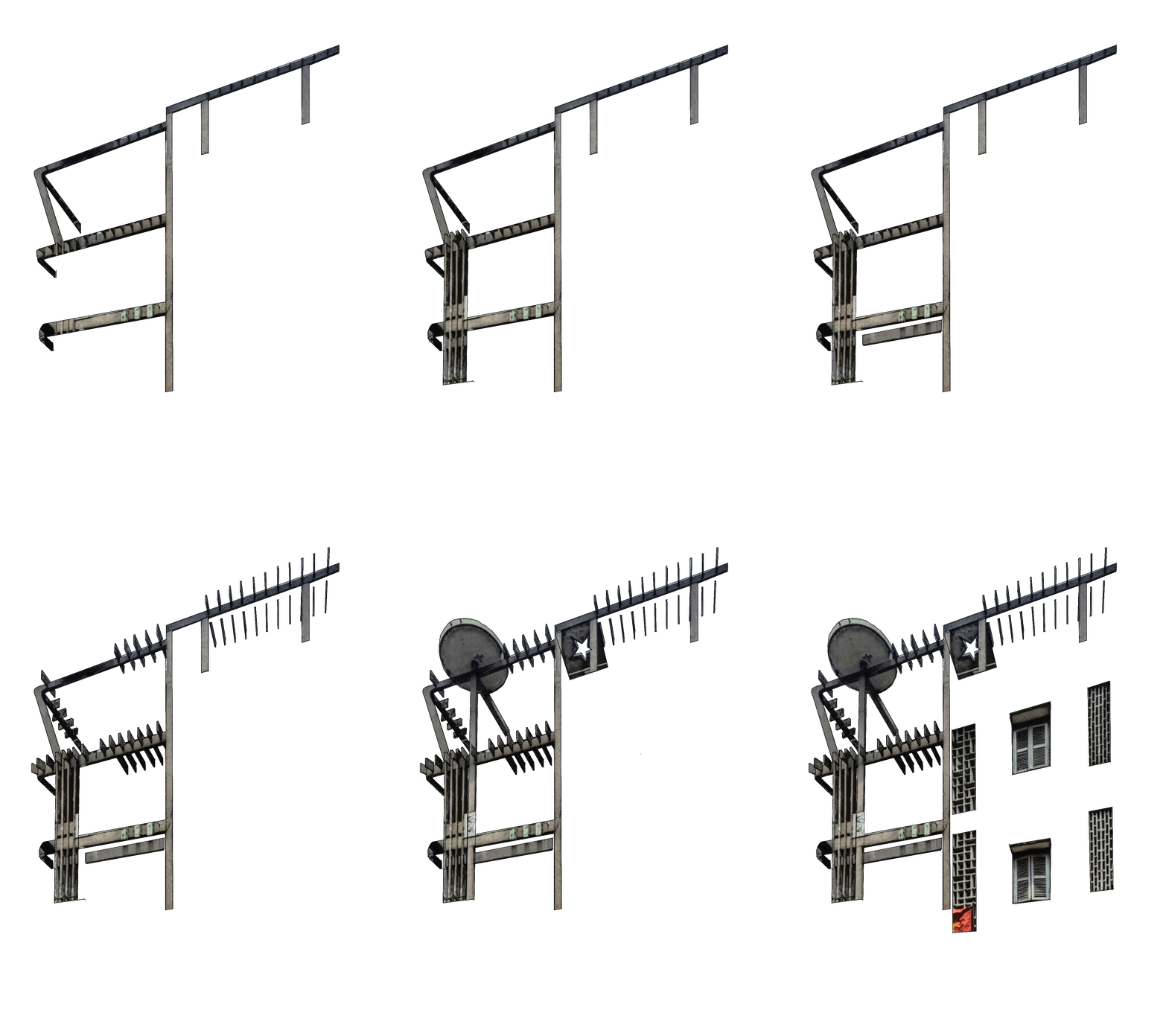
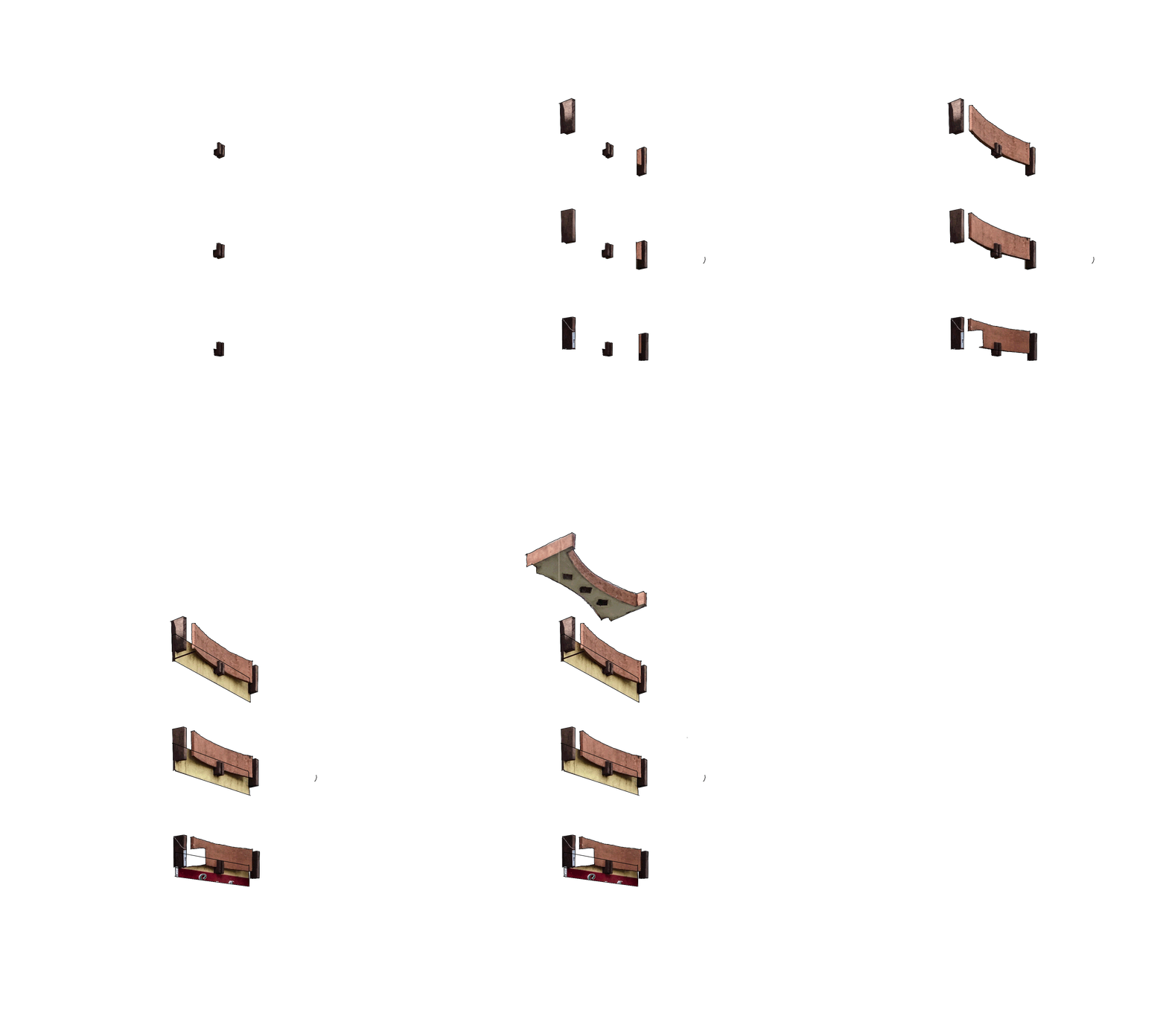
To better contextualize an architectural language, it's worth considering the idea of language itself. One theory developed by linguist Noam Chomsky in the latter half of the 20th century explained language as an innate, embedded property of our biological structure that allows us to generate endless phrases reflecting thoughts.[2] If this is true, would it apply to other intellectual objects? Would this apply to other forms of thought besides language such as architecture?
In the case of the language of Vietnamese vernacular modernism, there is a set of elementary blocks, representing notions, that are acquired and then generated into endless compositions reflecting a high level of artistic and intellectual intelligence. Individual structures share a common grammar, or guidelines, with similar geometrical structures (4-5 meters wide façade with oftentimes 3-5 floors). On the other hand, many architectural elements appear repeatedly across houses, such as vertical slats, horizontal bars, double brackets, awnings, planters, louvers, brise-soleil, etc. However, none of them looks the same, as if these are personal voices pronouncing the same word from a dictionary. These properties suggest the processes of a functioning language, using a different sensory medium.
Significantly, this language shares a taste, an intensity, an equilibrium found also in Vietnamese food, music or painting. The personal add-ons and the intensive taste found in these architectural expressions are also present in Vietnamese culinary experience. Most Vietnamese meals include several add-ons dedicated to specific dishes, allowing one to customize the experience to their own preferences. Based on a common set of ingredients, people create compositions that reflect, or express, their personal identity.
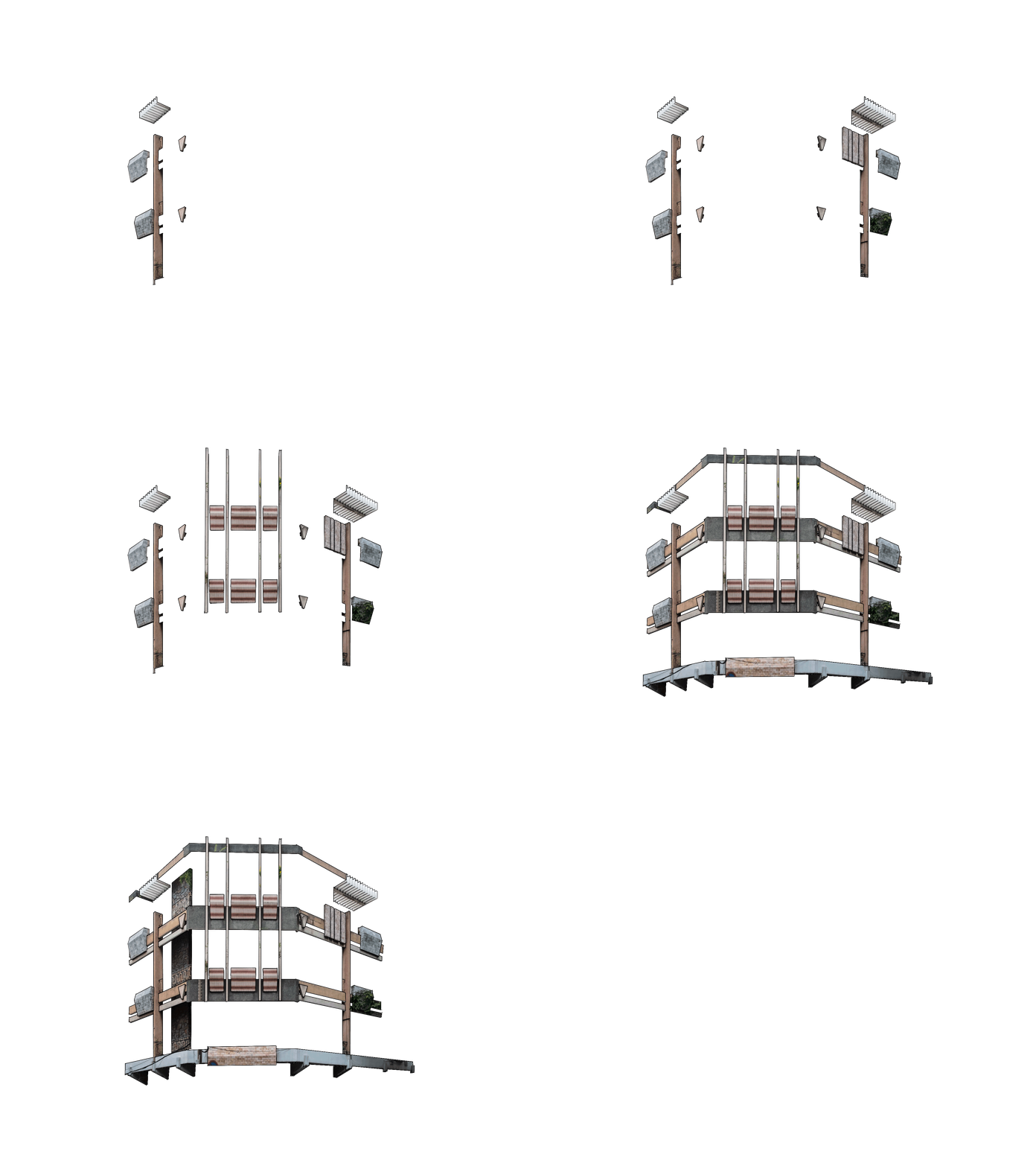
This similarity in linguistic behavior can help us look at culture as a whole. It suggests an underlying substance, a transversal connection between creative activities that could help trace back the cultural lifeblood in our thoughts and behaviors. If there is a transversal relationship between the arts, perhaps we can make our built environment both culturally and environmentally responsive by looking into and better understanding our own creative language.
[1] Vinh Pham. “Poeticism”, in Poetic Significance: Sài Gòn Mid-Century Modernist Architecture, ed. Mel Schenck (Architecture Vietnam Books, 2021), 125.
[2] Noam Chomsky, Syntactic Structures (Mouton & Co. 'S Gravenhage, 1957), 13-14.
_____________________________________________________________Written and animated by Phạm Phú Vinh